How Did People Experience Stories Before Television and Movies?
Today, we can enjoy stories through television, movies, and smartphones whenever we like.
A little over a hundred years ago, however, none of these visual media existed.
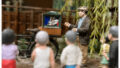
Even so, people found creative ways to experience stories through light and shadow. One of the most popular methods was the Gentō-kai (magic lantern shows).
What Was a Magic Lantern Show?
A magic lantern show projected images painted or photographed on glass slides onto a screen using light.
Narration and music were often added to tell stories, teach lessons, or share knowledge.
These shows were widely used in schools, churches, community gatherings, and even as family entertainment.
The colorful images glowing in a dark room captivated audiences and transported them into another world.
Kenji Miyazawa and Magic Lantern Shows
Kenji Miyazawa (1896–1933) is best known as a poet and author of children’s stories, but he was also an educator.
While teaching at Hanamaki Agricultural School in Iwate Prefecture, he used magic lantern slides to introduce students to poetry, storytelling, and the wonders of nature and science.
Miyazawa was especially interested in themes such as light, transparency, and the universe.
Through lantern projections, he sought to make invisible worlds and abstract ideas easier to understand.
Using pictures and light, he brought concepts to life in ways that words alone could not.
Magic Lantern Shows in His Fiction
For Miyazawa, magic lantern shows were not only educational tools but also familiar elements of the imaginative worlds he created.
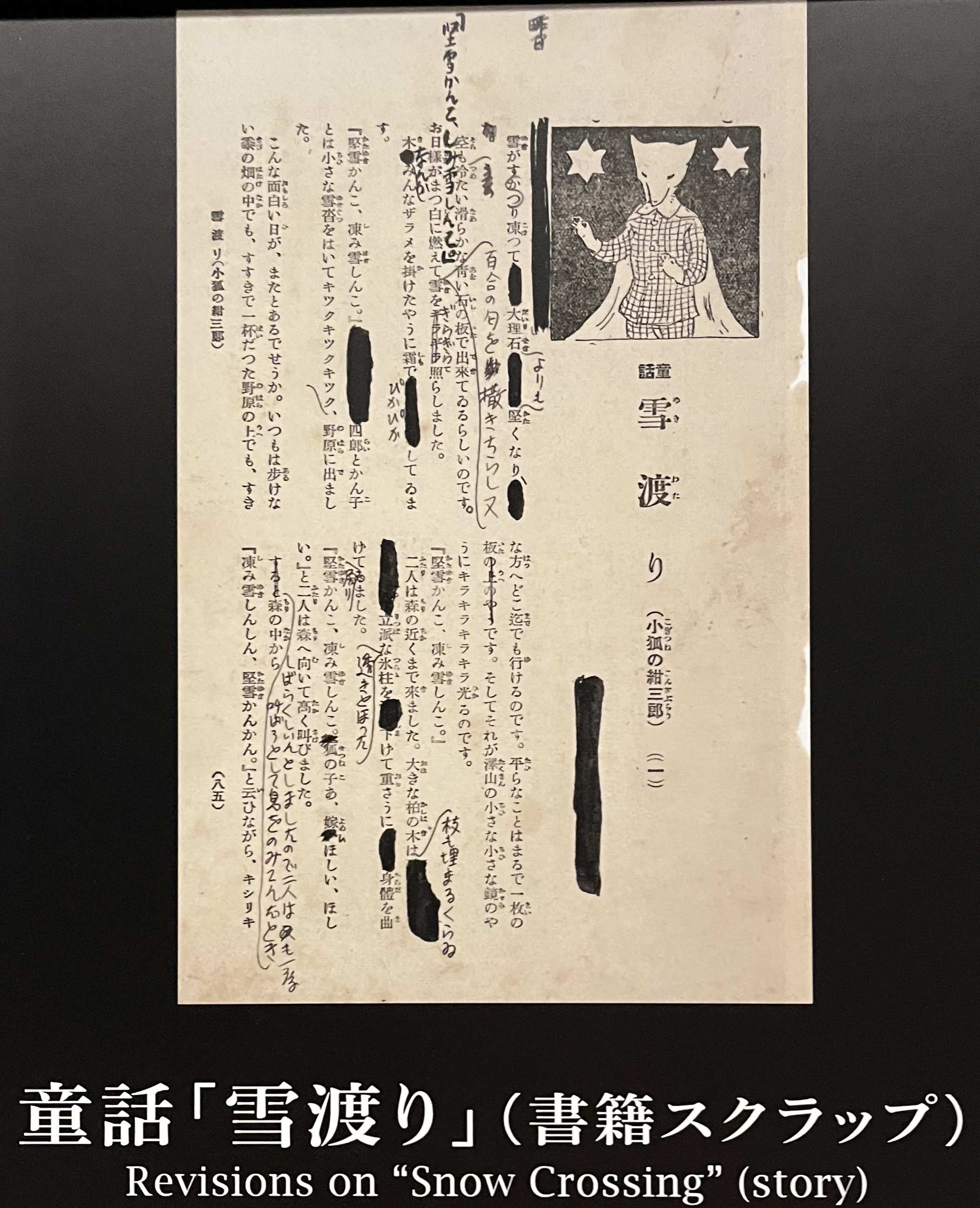
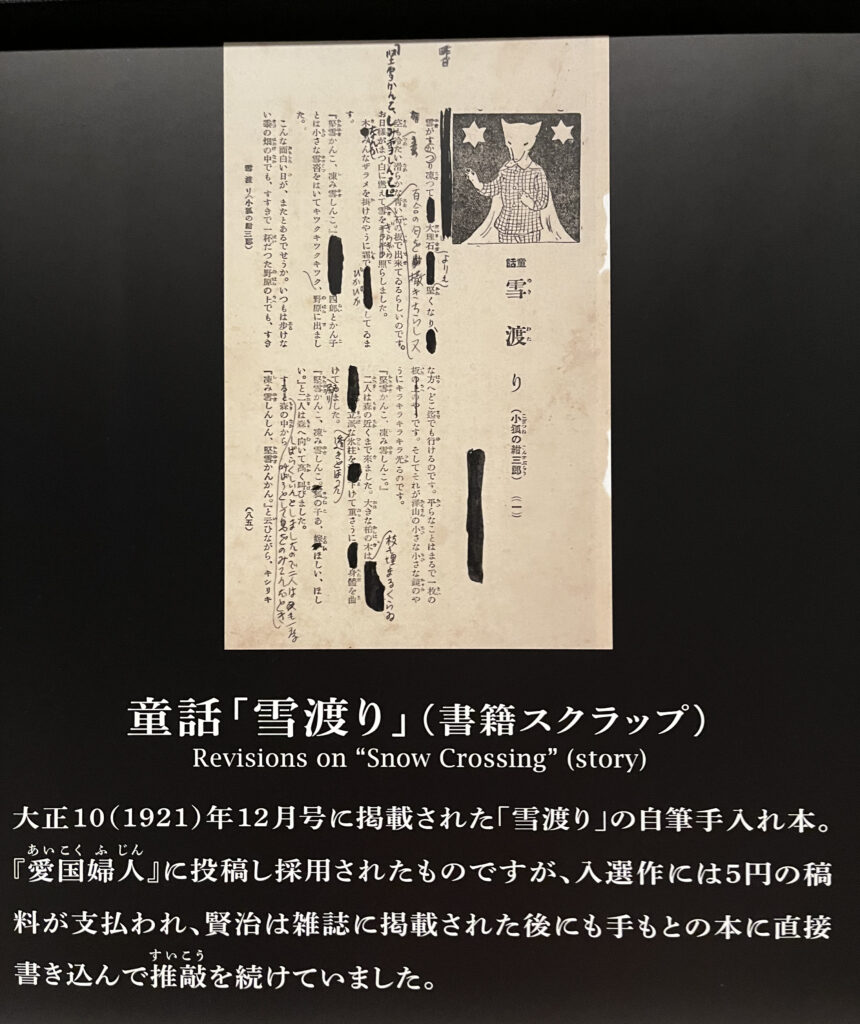
In his well-known story Yukiwatari (Crossing the Snow), children are invited by foxes to attend a magic lantern show at a fox school.
This dreamlike scene reflects Miyazawa’s fascination with stories told through light.
The fact that he included a magic lantern show in his fiction suggests how important and meaningful this form of entertainment was to him.
The Meaning Behind Miyazawa’s Lantern Shows
Miyazawa saw magic lantern shows as more than simple projection devices.
Through light and images, he explored themes such as the movement of the stars, the lives of animals, and spiritual ideas.
His presentations encouraged curiosity about nature and the universe while inspiring audiences to think more deeply about the world around them.
In this way, the magic lantern became both an educational tool and a source of imagination.
Preserving Miyazawa’s Lantern Legacy Today
Some of Miyazawa’s lantern materials and related documents have been preserved in museums, including the Kenji Miyazawa Memorial Museum in Iwate.
These materials provide valuable insight into his vision of storytelling through light.
Although modern visual technology has advanced dramatically, they remind us of the creativity and passion behind these early forms of visual entertainment.
Conclusions
Magic lantern shows were a unique blend of Kenji Miyazawa’s poetic imagination and educational ideals.
Even in today’s world of advanced visual media, the combination of light, images, and storytelling still has the power to move people.
By remembering the fox school’s magic lantern show in Yukiwatari, we can gain a deeper appreciation for the beauty of stories told through light.
References
・Miyazawa, Kenji. Yukiwatari (Crossing the Snow).