How children’s lunches reveal a changing society
When lunchtime came, children opened the lids of their bento boxes.
Today, bringing lunch to school is a familiar scene in Japan. But what kind of lunch boxes did elementary school children use during the Meiji era? What did they eat?
In fact, the culture of bringing bento from home was connected to the birth of Japan’s first school lunch program.
In this article, let’s take a look at Meiji-era bento boxes and the beginning of school lunch in Japan.
Wooden Bento Boxes
During the Meiji era, most elementary school children brought homemade lunches from home.
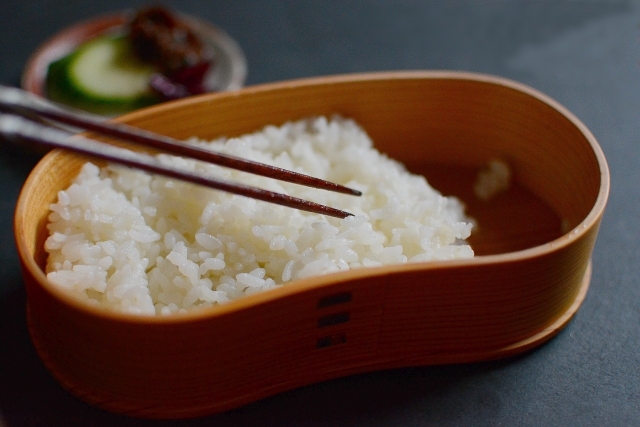
Many lunch boxes were made of wood, including magewappa (traditional Japanese bentwood boxes). Made from materials such as cedar and cypress, these boxes were light and had good air circulation, which helped keep rice fresh.
In some areas, bamboo lunch boxes were also used. Children wrapped their bento boxes in a cloth called furoshiki and carried them to school.
Modern lunch boxes made of aluminum or plastic had not appeared yet.
What Was Inside the Bento Box?
The contents of a bento depended on each family, but common foods included:
- Rice balls (onigiri)
- Barley rice
- Pickled plums (umeboshi)
- Pickles
- Grilled fish
- Simmered vegetables
The meals children brought to school also reflected differences in family income. Some children had simple lunches, while others had more variety.
Children Who Could Not Bring Lunch
However, not every child was able to bring a bento to school.
Some children came from poor families and did not have enough food for lunch.
To support these children, Japan’s first school lunch program was created.
The Beginning of School Lunch in Japan
In 1889 (Meiji 22), at Chūai Elementary School, a private school in Tsuruoka Town, Yamagata Prefecture (present-day Tsuruoka City), free lunches were provided for students who could not bring their own meals.
The cost was supported by donations from local people and, according to records, by contributions from Buddhist monks.
The simple menu included:
- Rice balls
- Salted salmon
- Pickled vegetables
Conclusion
School lunch did not begin as a system for every child from the start.
Its origins came from the kindness of local people who wanted to support children who could not bring lunch to school.
Children walked to school carrying wooden bento boxes wrapped in furoshiki. Among them were also children who had no lunch to open.
The history of school lunch in Japan began with a simple meal and the compassion of people in the Meiji era who wanted to help children.
References
National Association for the Promotion of School Lunch Programs.https://www.zenkyuren.jp/lunch/