In Japan, ghost stories are traditionally told during the summer.
Listening to tales that send a slight chill down your spine on a hot evening has long been a cherished part of the Japanese summer season. Among these stories, Botan Dōrō (The Peony Lantern) is one of Japan’s most famous ghost tales.
Yet its lasting appeal lies in more than fear alone.
At its heart is a uniquely Japanese sense of beauty.
In Japan, ghost stories are traditionally told during the summer.
Listening to tales that send a slight chill down your spine on a hot evening has long been a cherished part of the Japanese summer season. Among these stories, Botan Dōrō (The Peony Lantern) is one of Japan’s most famous ghost tales.
Yet its lasting appeal lies in more than fear alone.
At its heart is a uniquely Japanese sense of beauty.
What Is Botan Dōrō?
Botan Dōrō became widely known during the Meiji era through the performances of the celebrated storyteller Sanyūtei Enchō. Since then, it has been retold in many forms, including rakugo, kabuki, films, and television dramas.
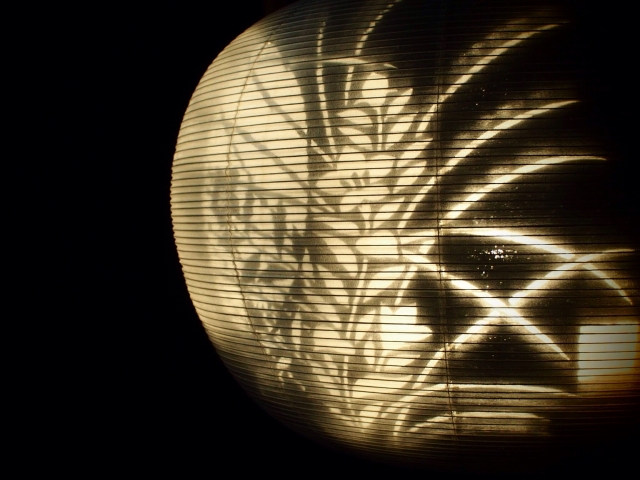
Without revealing the plot, one unforgettable image remains at the center of the story: a woman carrying a lantern decorated with peony flowers as she appears on a summer night.
This haunting scene has remained in the memories of generations.
A Beauty Born from Nights Without Streetlights
During the Edo and Meiji periods, there were no electric streetlights.
At night, the only illumination came from the moon, paper lamps, and the lanterns carried by travelers.
Imagine a silent road.
In the distance, a small light gently sways.
As the lantern slowly approaches, its painted peony blossoms come into view.
Against the darkness, the warm glow of the lantern softly emerges, creating a scene that feels less terrifying than dreamlike.
Perhaps that is why Botan Dōrō is remembered not only as a ghost story, but also as something as beautiful as a painting.
Japanese Ghost Stories Celebrate Beauty
Many horror stories around the world focus on shock, suspense, and fear.
Japanese ghost stories often take a different approach.
Flowers, moonlight, silence, and the gentle glow of lanterns frequently appear, creating beautiful landscapes before fear quietly reveals itself.
Rather than exposing everything to bright light, Japanese aesthetics have long found beauty in what is only partially seen in the darkness.
This sensitivity is closely connected with yūgen, a traditional Japanese aesthetic that values mystery, subtlety, and profound beauty.
Perhaps this is one reason why Botan Dōrō continues to captivate audiences today.
The Human Emotions Behind the Ghost Story
Botan Dōrō is more than a tale of ghosts.
It is also a story about human emotions.
Because of this, readers and audiences are left not only with fear, but also with sadness and quiet beauty.
That emotional depth has allowed the story to be continually reimagined through rakugo, kabuki, films, and television dramas, ensuring that each generation discovers it anew.
Conclusion
Every summer, ghost stories return to Japan.
They are told not merely to frighten people, but also as part of a tradition that embraces the atmosphere of warm summer nights and the beauty hidden within them.
Picture a peony lantern gently swaying along a dark road.
In that single image, it becomes easier to understand why Botan Dōrō has remained one of Japan’s most beloved ghost stories for generations.


Comment