How Cider and Ramune Brought a New Kind of Joy to the Meiji Era
During the Meiji era, Japanese people encountered a fascinating new type of drink that they had never experienced before.
Tiny bubbles danced inside a glass bottle. A refreshing sweetness spread across the tongue, followed by a gentle tingling sensation. Even the sound of opening the bottle — the soft “pop” and fizz — was part of the experience.
For people of that time, these drinks were more than just refreshments. They represented a new culture from the West and became a taste of modern life during the era of Japan’s rapid transformation.
A New Encounter with Sparkling Drinks
In the early Meiji period, Japan welcomed many aspects of Western culture, including new foods and beverages.
Carbonated drinks were among these new arrivals.
At first, sparkling drinks were rare and considered something special, enjoyed mainly by foreigners and people of higher social status. However, as beverage production technology improved in the late Meiji period, these drinks gradually became available to more people.
For people in those days, a drink with bubbles was truly mysterious.
“Water that sparkles and fizzes.”
That simple surprise was one of the greatest attractions of carbonated drinks.
Cider — A Special Taste of Modern Japan
One of the carbonated drinks that became popular in the Meiji era was cider.
Japanese cider developed under the influence of Western carbonated beverages and became associated with a modern, fashionable lifestyle.
With its sweet and refreshing flavor, strong bubbles, and clear glass bottle, cider represented the excitement of a new age.
On a hot summer day, drinking a chilled bottle of cider was not just a way to cool down. It was a stylish pleasure that allowed people to experience the feeling of a modern world.
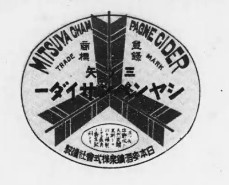
Source: National Diet Library Digital Collections, A Guide for Trademark Users by Naochika Yaba, Tokyo Hōbunkan, 1923.
Ramune — The Sparkling Drink of Summer
Another drink that spread among ordinary people was ramune.
The name “ramune” came from the Japanese pronunciation of “lemonade.”
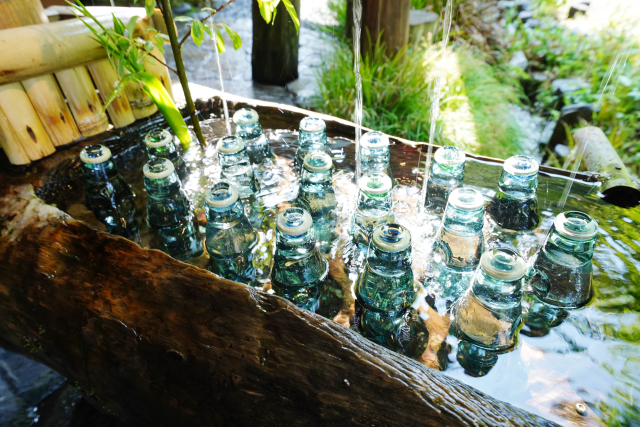
Its most distinctive feature was the unique glass bottle sealed with a marble inside. Opening the bottle, watching the bubbles rise, and hearing the sound of the marble moving were all part of the fun.
Ramune became especially popular at summer festivals and neighborhood shops, turning into a beloved symbol of Japanese summer.
If cider represented the excitement of Western-style modern culture, ramune became a shared summer pleasure enjoyed by everyone.
Kenji Miyazawa and His Favorite Cider
The famous writer and poet Kenji Miyazawa was also known to enjoy cider.
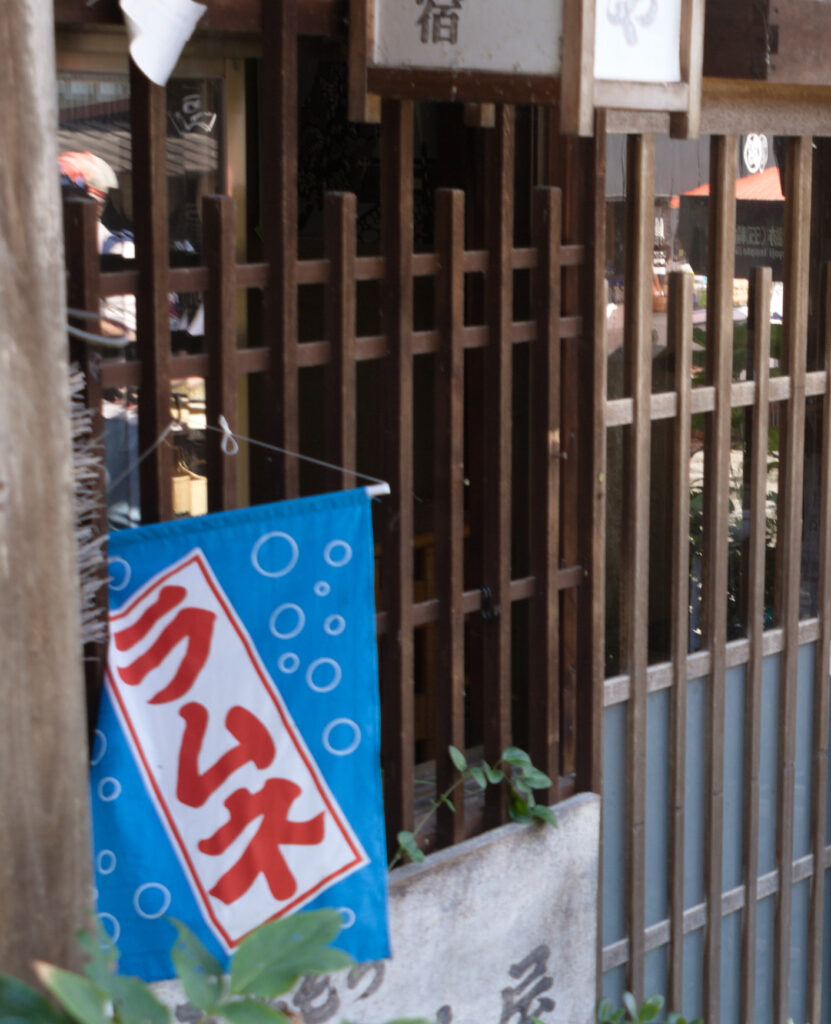
He often visited Yabuya, a long-established soba restaurant in Hanamaki, Iwate Prefecture, where he reportedly enjoyed tempura soba together with cider.
At that time, tempura soba cost around 15 sen, while cider cost about 23 sen. Compared with everyday foods, cider was a rather luxurious treat.
A traditional Japanese meal paired with a Western-style sparkling drink — this combination reflects the curiosity and openness of the Meiji and Taisho eras, when people eagerly embraced new experiences.
A Memory of Summer That Lives On
Today, cider and ramune are familiar drinks enjoyed by many people.
Yet the joy of opening a bottle, watching the bubbles rise, and feeling the refreshing sparkle remains unchanged.
The wonder that people in the Meiji era felt when they first tasted a “fizzy” drink has quietly continued through generations.
Perhaps every bottle of ramune or cider still carries a small memory of that exciting new summer when Japan discovered the magic of bubbles.
Comment