The Space Between Inside and Outside in Traditional Japanese Homes
Before It Became a Cultural Treasure
When I was a high school student, there was an old traditional house where I often went with my friends after school.
It was a historic Japanese-style building that remained in an old castle town. At that time, we did not know how much history the building carried or how valuable it would become.
To us, it was simply a quiet and peaceful place.
We sat on the engawa, looking out at the garden while talking about our dreams for the future or ordinary school conversations. Sometimes, it even felt a little like our own secret hideaway.
Years later, when I happened to pass by the building again, I saw something I never expected.
The building had been designated as an Important Cultural Property, and many visitors had come to see it.
It was a place where people had once lived, where countless seasons had passed, and where the changes of time had been quietly witnessed.
And there I had been, sitting on that very engawa without knowing its historical value.
Perhaps the time I spent there without thinking about history was also a small part of the long story that the building had carried through the years.
Engawa: A Place Between Inside and Outside
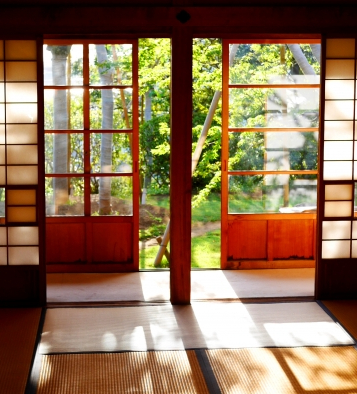
Engawa is a unique architectural space found in traditional Japanese houses.
It is not completely inside the house, but it is not entirely outdoors either.
It exists between the home and the garden, creating a gentle boundary between the two.
In modern homes, engawa has become less common as living spaces have become more compact and efficient.
However, for people in the past, engawa was an important part of daily life.
It was a place where family members gathered, neighbors exchanged conversations, and people felt the changing seasons.
Engawa was not simply a border separating inside from outside.
Rather, it was a place that connected people with nature and with each other.
Experiencing the Seasons from the Engawa
One of the greatest charms of engawa was the way it brought the changing seasons close to everyday life.
In spring, people could sit in the warm sunlight and enjoy the flowers blooming in the garden.
In summer, they enjoyed the cool evening breeze while sitting on the engawa. The distant sound of fireworks, the damp garden after sprinkling water, and the gentle sound of wind chimes all became part of the season.
Morning glory plants were sometimes placed near the engawa.
People watched the flowers open early in the morning and felt the beginning of a summer day. These simple moments were also part of the traditional scenery of Japanese summers.
Water basins and goldfish bowls placed in the garden also brought a sense of coolness during the hot season.
Sitting on the engawa and looking down at the surface of the water, people watched goldfish slowly moving through the shimmering reflections of light.
The small red figures appearing and disappearing beneath the rippling water offered a quiet feeling of refreshment on a hot summer day.
Rather than simply escaping the heat, people enjoyed summer itself through the breeze, light, water, and plants around them.
In autumn, they admired the moon and listened to the sounds of insects.
In winter, they sat on the engawa seeking the gentle warmth of the sunlight. It was also a favorite place for cats to curl up and sleep.
Engawa provided a space to notice and appreciate the seasons.
Why Did Japanese People Love Engawa?
Traditional Japanese houses were not designed to completely shut out nature.
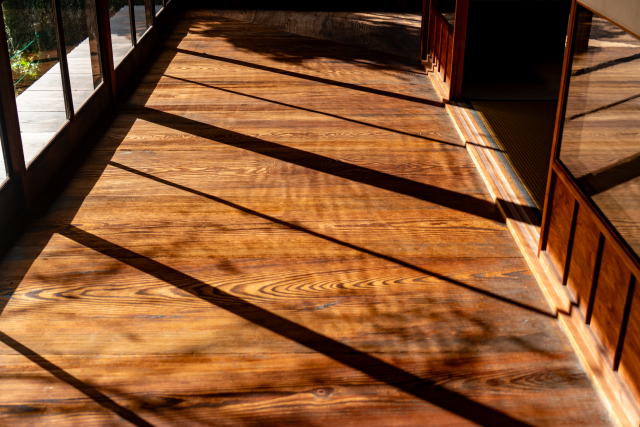
Soft light entered through shoji screens, fresh air flowed through open windows, and garden scenery became part of daily life.
Engawa was an extension of this way of living.
Japanese life has long valued the beauty found in spaces that are not clearly divided.
The space between inside and outside.
The play of light and shadow through shoji screens.
The gentle breeze passing through bamboo blinds.
Beauty was often found not only in what was fully revealed, but also in what was partially hidden, leaving room for imagination.
This reflects the Japanese appreciation of ma — the beauty of pauses, spaces, and moments in between.
The Memories That Remain on the Engawa
Today, homes with engawa are becoming increasingly rare.
In modern houses where every space is carefully used, engawa may no longer seem essential.
However, the feelings and experiences that engawa created are still meaningful.
Time spent doing nothing.
Time spent listening to the sound of the wind.
Time spent noticing the changing seasons.
Traditional Japanese homes naturally created these quiet moments.
Engawa was not merely a part of architecture.
It held family conversations, childhood memories, and encounters with visitors.
Your Own Little Engawa
Do you have a place you loved when you were a child?
Perhaps it was not a special place, but somewhere that simply made you feel calm.
Do you remember the sounds, scents, or the way the light looked there?
Engawa was not only a part of a building.
It was a place that held people’s memories and the passing of time.
Not only the engawa preserved as cultural treasures, but also the small engawa that once existed in someone’s home quietly preserve the stories of the people who lived there.