Why People Became Fascinated with Rare Flowers and Animals
Even today, there are events where people compete to display the beauty of the plants they have grown, such as chrysanthemum exhibitions, orchid shows, and bonsai exhibitions. Enthusiasts also hold competitions and shows for many kinds of animals, including goldfish, medaka, dogs, and cats.
But this culture of growing, collecting, and comparing unusual things is by no means a modern invention.
From the Edo period to the Meiji period, people in Japan became fascinated with plants such as morning glories, chrysanthemums, omoto, and matsuba-ran, as well as animals including rabbits, songbirds, and goldfish.
There was, of course, the simple pleasure of appreciating beautiful things. But that was not the whole story.
People wanted to acquire rare things. They wanted to own something that nobody else had. They wanted others to see what they had raised and recognize its value.
And when something became popular, it could acquire a high price and sometimes even develop into a major business.
Competitive exhibitions were not simply gatherings for people with the same hobby.
They were places where many different human desires came together: aesthetic appreciation, curiosity, competition, business, and social interaction.
What Were Competitive Exhibitions?
During the Edo period, gardening culture flourished. Not only samurai, but also townspeople and merchants began cultivating plants and searching for unusual varieties.
Enthusiasts exchanged knowledge about cultivation and created new varieties. As publishing developed, information about plants became more widely available, and the world of amateur gardening continued to expand.
In this context, competitive exhibitions emerged as more than places where people simply came to admire beautiful things.
They were also places to discover new varieties, compare cultivation techniques, and sometimes buy and sell valuable plants or animals.
Owning something rare could demonstrate a person’s knowledge, wealth, and eye for beauty.
It was a hobby—but it was more than just a hobby.
Competitive exhibitions brought together many different human desires.
Competitive Exhibitions of Flowers and Plants
During the Edo period, enthusiasts were fascinated by a wide variety of plants, including morning glories, chrysanthemums, matsuba-ran, omoto, and sekkoku.
Morning glories were appreciated not only for the colors and shapes of their flowers, but also for the unusual forms of their leaves. In particular, mutant morning glories, which developed strange and unexpected appearances unlike ordinary morning glories, fascinated many people.
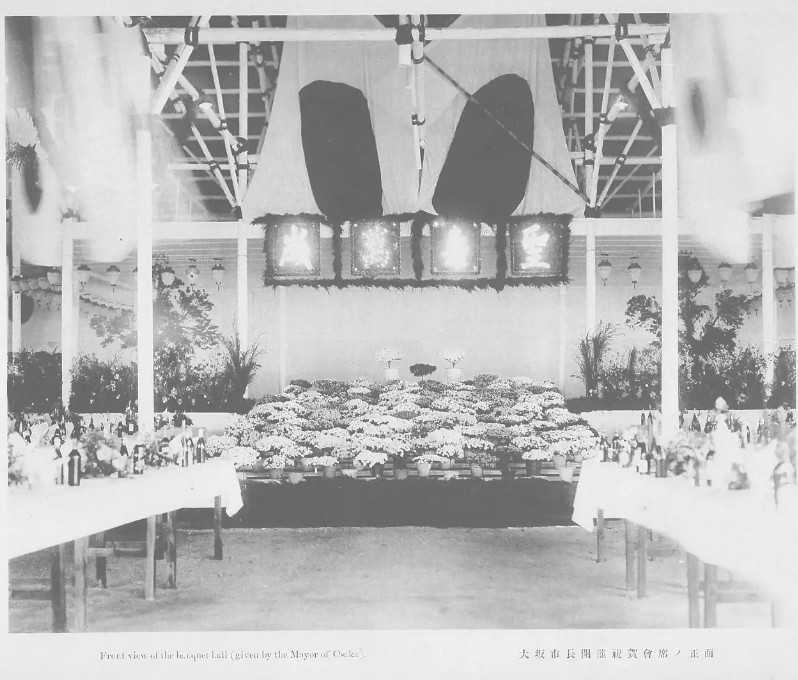
Chrysanthemums were another plant beloved by people in the Edo period. Through selective breeding, many different forms were created, and enthusiasts enjoyed the distinctive beauty of each variety.
There were also passionate collectors of plants such as matsuba-ran, omoto, and sekkoku, which may seem somewhat unfamiliar to many people today.
And it was not only spectacular flowers that were admired.
The shapes and patterns of leaves, the forms of stems, and the distinctive character of the plants themselves were also valued.
One of the most fascinating aspects of Edo gardening culture was that people did not value only things that everyone considered beautiful. They also found value in things that were rare, unusual, and strange.
People cultivated plants, observed them closely, exchanged information, and continued searching for new forms of beauty.
The Culture of Competitive Exhibitions Spread to Animals
This culture of discovering rare things, raising them, and sharing their value with others was not limited to plants.
It also extended to animals.
During the Meiji period, rabbits with unusual coat colors and distinctive appearances became extremely popular. Rabbits with desirable characteristics were evaluated at competitive exhibitions, and the enthusiasm eventually grew into a major craze sometimes described as a “rabbit bubble.”
Songbirds such as Java sparrows, Bengalese finches, and Japanese bush warblers were also popular. People enjoyed not only their appearance, but also their songs.
Goldfish had been popular ornamental animals since the Edo period. Through selective breeding, many different varieties were created, and people delighted in their beauty.
The plants and animals may have been different, but the feelings behind them were often similar.
Discover something rare.
Acquire it.
Raise it.
And then say, “Look at this!”
Once something that began as a personal pleasure was seen by other people, it could become the subject of evaluation and competition—and sometimes even business.
Why Did People Become So Fascinated with Rare Things?
There was the pleasure of growing beautiful flowers.
The enjoyment of caring for animals.
And the curiosity of encountering something unfamiliar or seeing something that one had never seen before.
These were undoubtedly important reasons why the culture of competitive exhibitions developed.
But they were not the only reasons.
People wanted to acquire something that nobody else possessed.
They wanted others to recognize the value of what they owned.
They wanted to raise something better than everyone else’s.
And when something had value, they sometimes wanted to buy and sell it for profit.
Competitive exhibitions brought together all of these different motivations.
Someone would carefully raise something and then show it to others.
Someone else would see it and say, “That’s wonderful.”
As it became popular, its value could rise.
A hobby that began as a personal interest could create social connections and competition—and sometimes develop into a business.
Competitive exhibitions were not simply events for comparing plants or animals.
They brought together human curiosity and aesthetic appreciation, but also competitiveness, the desire for recognition, and the desire for profit.
The Culture of Competitive Exhibitions Continues Today
Today, this culture can still be found in many forms: chrysanthemum exhibitions, orchid shows, bonsai exhibitions, competitions for goldfish and medaka, and pet shows.
Even as times change, some feelings may remain much the same.
“I want to grow something beautiful.”
“I want to discover something rare.”
“I want other people to see something that is important to me.”
People in the Edo period and the Meiji period probably also wanted to show others the unusual things they had discovered or the things they had carefully raised, hoping that someone would say, “That’s amazing.”
In a way, a competitive exhibition may simply have been a place where people gathered together to say:
“Look! Isn’t this amazing?”
The culture of competitive exhibitions in Edo and Meiji Japan reflected not only people’s sense of beauty, but also their curiosity, competitiveness, and even their desires. In that sense, it was a very human kind of culture.
References
- Hirano Megumi. Hiroyuki-seiki Nihon no Engei Bunka: Edo to Tokyo, Uekiya no Shūhen [Gardening Culture in Nineteenth-Century Japan: Edo, Tokyo, and the World of Plant Nurseries]. Shibunkaku Publishing, 2006.
- Edo Iseki Kenkyūkai, ed. Edo no Engei [Gardening in Edo]. Yoshikawa Kōbunkan, 2025.