The Writers Who Called Each Other “Blue Mackerel” and “Slug”
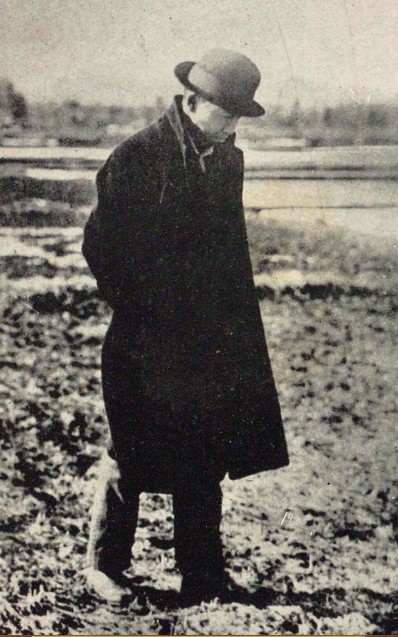
Chūya Nakahara is best known for his poem “Grief in My Soiled Heart…”.
One of the poets he greatly admired was Kenji Miyazawa. Nakahara read Miyazawa’s poetry collection Haru to Shura (Spring and Asura) for more than ten years and described it as an “astonishing collection of poetry.”
But not all of Nakahara’s relationships with fellow writers were so peaceful.
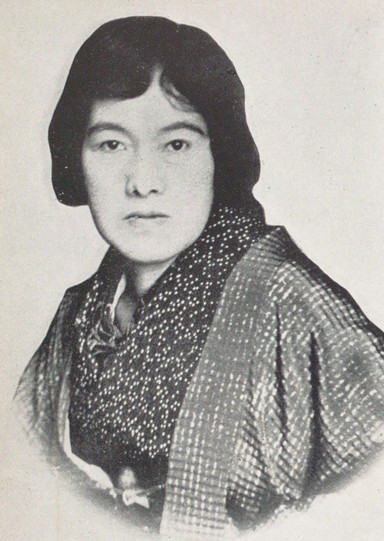
One of the writers he had a particularly complicated relationship with was Osamu Dazai.
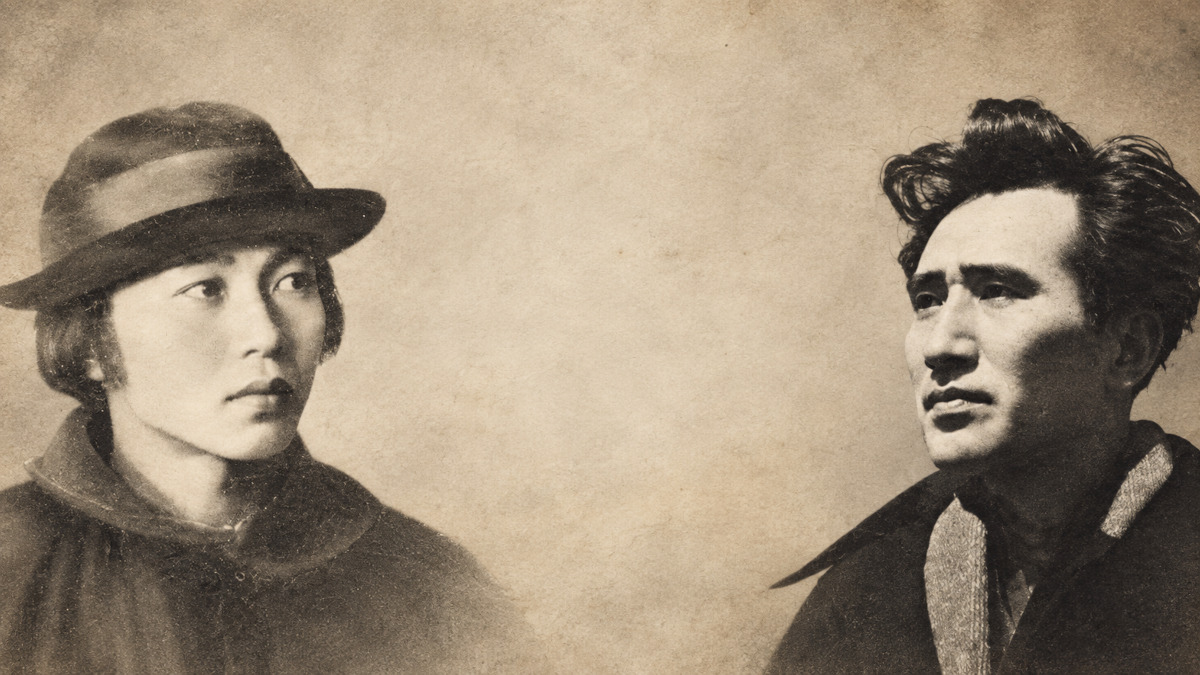
The stories left behind about the two men reveal a strange mixture of literary rivalry, mutual recognition, and an almost complete lack of restraint.
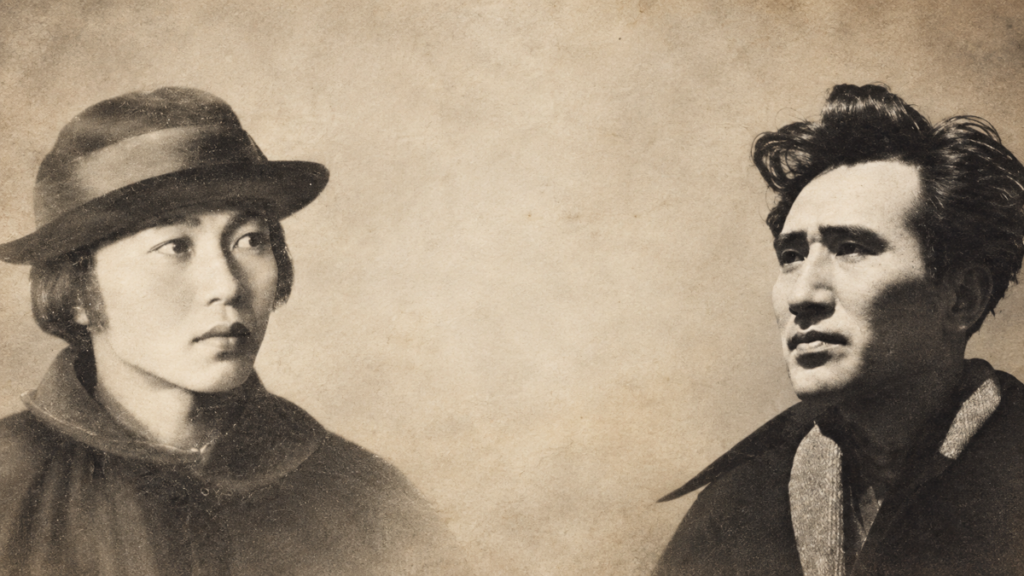
“You’re pretty good.”
“So are you.”
What kind of conversations passed between the two of them?
Were they as sophisticated as we could never imagine—or perhaps…
The Literary Magazine Aoi Hana
One of the connections between Nakahara and Dazai was a literary magazine called Aoi Hana (“Blue Flower”).
The magazine was launched in 1934, with Dazai among the writers behind it. Nakahara also joined the group and contributed two poems, “Minato-shi no Aki” and “Kōri-shi Tasogare.”
The magazine lasted only one issue.
It was through this literary circle that Nakahara and Dazai are said to have begun their association.
“You Look Like a Blue Mackerel Floating in the Sky”
One of the most famous stories about the two men took place at an oden restaurant in Tokyo.
According to the account, Nakahara looked at Dazai and said:
“You look like a blue mackerel floating in the sky.”
What exactly did he mean?
There are several interpretations. In Japanese, there is an old expression comparing mackerel to something that spoils quickly. Mackerel is, after all, a fish that loses its freshness very quickly.
Perhaps Nakahara was comparing Dazai’s expression or eyes to something lifeless—or even to a spoiled fish.
Whatever he meant, it was not exactly a compliment.
“What Kind of Flower Do You Like?”
There is another memorable story from one of their drinking sessions.
While drunk, Nakahara reportedly pressed Dazai:
“What kind of flower do you like?!”
Dazai simply answered:
“Peach blossoms.”
Why Nakahara suddenly wanted to know Dazai’s favorite flower is unclear.
But the straightforwardness of Dazai’s answer makes the scene strangely charming.
Dazai’s “Slug”
Of course, Dazai had his own way of describing Nakahara.
He reportedly referred to him as someone who was “shiny like a slug.”
Blue mackerel.
Slug.
For two celebrated literary figures, this sounds remarkably like the kind of name-calling you might hear from schoolboys.
And yet, calling their relationship simply “bad” misses something important.
In Dan Kazuo’s Shōsetsu Dazai Osamu (A Novel about Osamu Dazai), Dazai is described in connection with Nakahara as having respected him.
At the same time, Dazai himself wrote in his essay “Nostalgia” that he did not particularly like Nakahara Chūya.
The two statements may sound contradictory, but perhaps they are not.
You do not have to like someone as a person to recognize their talent as a writer.
They Didn’t Get Along—but They Recognized Each Other as Writers
Nakahara and Dazai were hardly close friends in the ordinary sense.
Their drinking sessions could turn into arguments, and one such encounter eventually escalated into a physical fight.
And yet, neither man simply dismissed the other’s literary talent.
They did not seem to get along as people.
But as writers, they recognized each other.
What is especially striking is how little restraint there seems to have been between them.
Nakahara would show up at Dazai’s home unannounced. When Dazai’s wife told him that Dazai was asleep, Nakahara reportedly replied, “Then wake him up.”
There is something almost childlike about the ease with which they crossed each other’s boundaries.
They had met as adults, yet their relationship sometimes seems less like that of two literary acquaintances and more like two people who had known each other since childhood.
“Blue mackerel.”
“Slug.”
An unexpected visit to Dazai’s home.
For all their quarrels, there was an unusual familiarity between them.
Even great literary figures did not always go through life looking like great literary figures.
Perhaps that very human side is part of what makes Nakahara and Dazai—and their writing—feel so close to us today.
References
- Kazuo Dan, A Novel about Osamu Dazai. Rokkō Shuppansha, 1949.
- Osamu Dazai, “Nostalgia,” in The Complete Works of Osamu Dazai, Vol. 11. Chikuma Shobō, 1999.
- Naoki Inose, Picaresque: A Biography of Osamu Dazai. Bungeishunjū (Bunshun Bunko), 2007.