Making a Hair Cord by Following a Magazine
One memorable scene in My Happy Marriage is when Miyo Saimori makes a hair cord by hand for Kiyoka Kudou.
Miyo uses a handicraft magazine as a guide to make this special gift for Kiyoka. Rather than learning directly from someone else, she uses printed information to create something with her own hands.
This scene offers an interesting way to think about how people learned handicrafts in the past.
When Books and Magazines Became Teachers
From the Meiji to the Taisho period, books on sewing and handicrafts were published in Japan.
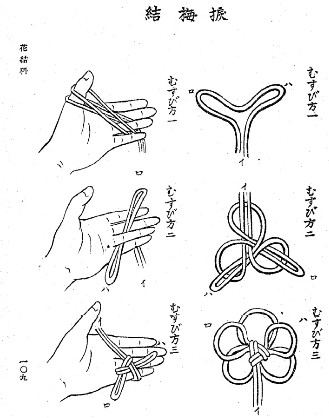
One example is Jitsuyō Hanamusubi: Furoku Uchihimo (Practical Decorative Knots: With a Supplement on Cordwork), written by Kikujirō Kiuchi and published by Jitsugyō no Nihonsha in July 1909. The book includes a section titled “Practical Exercises in Cord Knotting.”
Another example appeared in 1920. Jitsuyō Saihō Komonoshū (Practical Collection of Small Sewing Projects), compiled by the Tokyo Kimono Sewing Research Society, was published by Umetsu Shoten.
These publications show that printed materials were being used to explain and teach practical skills.
Of course, owning a book did not mean that anyone could immediately master a craft. People still needed materials and tools, and they probably had to practice many times to achieve the results they wanted.
Even so, books and magazines offered another way to learn. People could use them as guides, even when there was no one nearby who could teach them in person.
Knowledge of handicrafts was passed down not only from one person to another, but also through printed materials that could reach a wider audience.
Learning Handicrafts Beyond the Home
Sewing skills could be learned in different ways. People might learn at home from family members, use practical books as guides, or study sewing through school education.
You can read more about sewing education in Japanese schools in this related article:
Learning handicrafts at home and studying sewing at school were not the same thing. However, both were ways of passing practical skills on to the next generation.
Books, magazines, and schools offered different paths to learning. Knowing this helps us see everyday life in the past from a slightly different perspective.
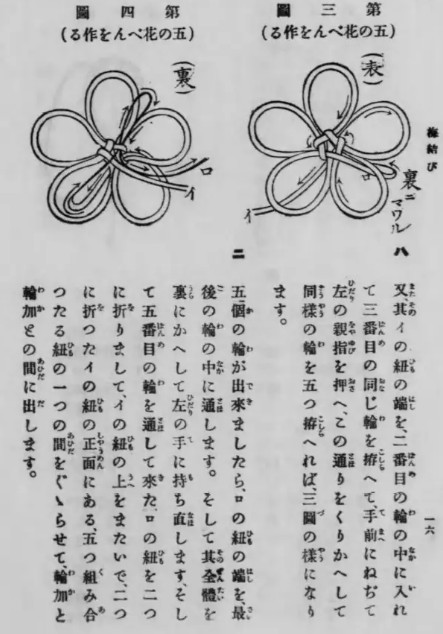
Jitsuyō Saihō Komonoshū (1920), a practical book on sewing and small handmade items published in Japan during the Taisho period.Source:National Diet Library Digital Collection
More Than Just a Hair Cord
The hair cord Miyo makes is more than a handicraft project. She spends time making something with her own hands for someone important to her, then gives it as a gift.
My Happy Marriage is set in a fictional world, but historical books and publications from the Meiji and Taisho periods offer a way to compare small moments in the story with aspects of real Japanese history.
As we watch Miyo work with her magazine, we can also think about a practice that existed in real life: learning practical skills through printed materials.
A small handmade gift opens a window onto the changing ways people learned and shared their skills.