A dog had a housekeeper.
I came across this surprising detail while reading Nagareru (流れる), a novel by Aya Kōda.
In the story, a woman looking for work tells someone that, before applying for a job at a geisha house, she had gone to see a job looking after a dog.
She was told that she was “young, and it would be a shame” for her to take such a job. She felt a little pleased to hear that.
But then she learned what the job was really like.
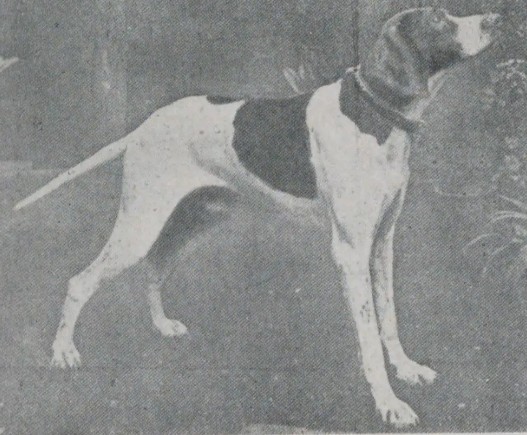
The dog was a famous dog, and, according to the people in the story, it had very strong feelings. If it was in a bad mood, it could bite the woman who prepared its meals as much as it wanted.
And her pay was only a fraction of the dog’s food costs.
The dog’s food cost more than the woman’s wages.
When I read this, I couldn’t help thinking, “Wait… what?”
From Neighborhood Dogs to Beloved Pets
This scene caught my attention because the way people kept dogs in Japan was changing during the modern period.
In Edo-period cities, some dogs did not belong to one particular owner. They were sometimes known as sato-inu or neighborhood dogs, and people in the local community would feed and care for them.
After the Meiji Restoration, however, Western-style dogs began to appear in Japan. At the same time, measures against diseases such as rabies led to greater control of dogs and their owners.
Dogs gradually became animals that people were expected to keep and manage.
For some families, dogs were no longer only guard dogs or working animals. They also became beloved pets.
By the Taishō period, books were being published for ordinary people on how to keep dogs. They discussed things such as breeds, food, living conditions, training, and illness.
Dogs were beginning to have carefully managed lives inside human homes.
The Person Who Looked After the Famous Dog
The more carefully a dog was kept, the more human work was needed.
Someone had to prepare its food.
Someone had to clean its living space, take it for walks, and look after its health and appearance.
The “meal woman” in Nagareru gives us a small glimpse of this kind of work.
Of course, one scene in a novel does not prove that looking after a dog was a common occupation at the time.
But the scene is striking.
The dog’s feelings were treated with great care. If it was in a bad mood, the woman looking after it might be bitten.
Meanwhile, her wages were only a fraction of what was spent on the dog’s food.
It makes you wonder:
How much value was placed on the person who took care of the dog?
A small scene about a “meal woman” for a famous dog opens a window onto the changing lives of dogs—and the human work that supported them—in modern Japan.
References
- Kōda, Aya. Nagareru.
- Nishina, Kunio. Inutachi no Meiji Ishin: Pochi no Tanjō. Sōshisha, 2014.
- Shimura, Masaki. Nihonken no Tanjō: Junketsu to Senbetsu no Nihon Kindai-shi. Bensei Publishing, 2017.
- Shimura, Masaki. “Shōwa Shoki Nihonken no Kentō: Ryōken, Shiyōken, Banken, Aigan-ken.” Journal of History, Culture and Society, no. 6, 2009.