- Introduction
- 1. The Winter Solstice: Eating Pumpkin to Stay Healthy Through Winter
- 2. Christmas in Japan: From the Meiji Era to the Early Showa Era
- 3. Year-End Preparations and New Year’s Eve
- 4. Welcoming the New Year: Toshigami and New Year Customs
- 5. New Year’s Food: Osechi and Ozoni
- 6. New Year for Children: Otoshidama and Traditional Games
- 7. Year-End and New Year Customs That Have Changed Over Time
- Conclusion
Introduction
December is traditionally called Shiwasu in the old Japanese calendar. A popular explanation is that even Buddhist priests were so busy that they had to run around. However, there are several theories about the origin of the name, and its exact meaning is still unclear.
I also have a lot to do at this time of year. I clean the house, prepare New Year’s cards, and go shopping for food and decorations. The morning after Christmas, on December 26, I quickly put away the Christmas tree and replace it with the New Year’s decorations I have bought. It is a busy time, but these year-end activities give me a special feeling of satisfaction.
People in Japan’s past also had many things to do at the end of the year. Some winter events and New Year’s customs have changed over time, while others are still part of life today.
How did people in the past spend the winter and prepare for the end of the year? Let’s explore winter life in Japan, from the winter solstice and Christmas to the busy year-end season and New Year celebrations.
1. The Winter Solstice: Eating Pumpkin to Stay Healthy Through Winter
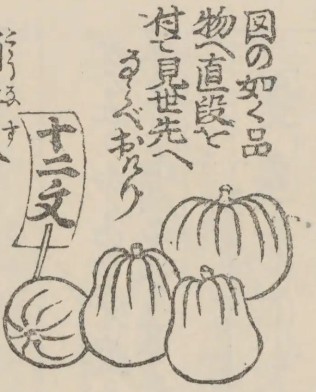
The winter solstice is the shortest day of the year. In Japan, people have a custom of eating pumpkin and taking a bath with yuzu citrus fruits on this day.
You can learn more about the Japanese custom of eating pumpkin at the winter solstice in our article about eating pumpkin on the winter solstice.
2. Christmas in Japan: From the Meiji Era to the Early Showa Era
Christmas began to spread in Japan during the Meiji era. The custom gradually became known, especially in foreign settlements and urban areas.
From the Taisho era to the early Showa era, Christmas celebrations changed. Decorations, gifts, and the way people celebrated at home also developed over time.
Our articles about Christmas in Japan during the Meiji and Taisho eras and Christmas meals in early Showa Japan show how people enjoyed Christmas during these periods.
3. Year-End Preparations and New Year’s Eve
At the end of the year, people cleaned their homes to remove the dust and dirt that had built up over the year. This was known as susuharai. They also prepared decorations to welcome the New Year, such as kadomatsu and shimekazari.
On New Year’s Eve, people ate toshikoshi soba, or year-crossing noodles, to mark the end of the year. The year-end season was probably a busy and special time for people in the past, too.
We will also explore traditional Japanese year-end cleaning, New Year’s decorations, and the custom of eating soba on New Year’s Eve.
4. Welcoming the New Year: Toshigami and New Year Customs
New Year was an important time when people welcomed Toshigami, the deity of the New Year.
People prepared decorations such as kadomatsu and shimekazari and celebrated the beginning of the year with their families. These customs expressed people’s hopes for a good year ahead.
Learning about Toshigami and traditional New Year celebrations in Japan helps us understand the meaning behind these decorations and customs.
5. New Year’s Food: Osechi and Ozoni
Osechi and ozoni are important parts of the Japanese New Year meal. The ingredients and flavors vary from region to region and from family to family.
How did the customs behind today’s osechi dishes develop? Our article about osechi in the Meiji and Taisho eras explores the food culture of New Year in the past.
6. New Year for Children: Otoshidama and Traditional Games
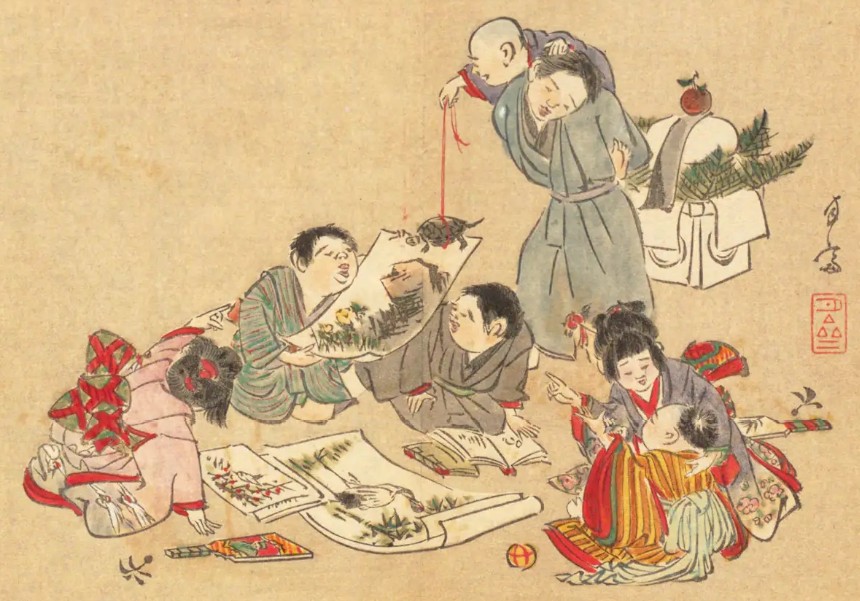
New Year was also an exciting time for children. They received otoshidama (New Year’s money) and enjoyed traditional games such as hanetsuki (a game played with wooden paddles and a shuttlecock), kite flying, and spinning tops.
How did children spend their New Year holidays in the past? We will explore their lives through New Year’s gifts and traditional games.
7. Year-End and New Year Customs That Have Changed Over Time
Some year-end and New Year customs are no longer common in everyday life.
For example, kakedori was a year-end custom in which merchants visited their customers to collect unpaid bills. The way people counted their age also changed. In the past, kazoe-doshi was widely used, but today most people use mannenrei, the system of counting age from the date of birth.
These customs offer a glimpse into the lives and society of people in the past. We will explore the year-end custom of kakedori and the difference between kazoe-doshi and mannenrei in separate articles.
Conclusion
Some year-end and New Year customs from old Japan are still practiced today. Others have changed over time or have disappeared from everyday life.
As I explore these customs, I can picture the busy lives of people in the past, families sharing meals, and children looking forward to the New Year.
Learning about their lives makes me feel that, even though times have changed, our wish to welcome a new year happily with the people we care about remains the same.
I will continue to add articles about winter life and year-end and New Year customs in old Japan to this page. I hope you enjoy discovering more stories as they are added.