As the winter solstice approaches, I sometimes feel a little gloomy. The sun sets early, and by late afternoon, it is already dark outside. To make this season a little more enjoyable, I decorate the area around my home with lots of colorful lights. Even though the days are short, the sparkling lights seem to brighten my mood.
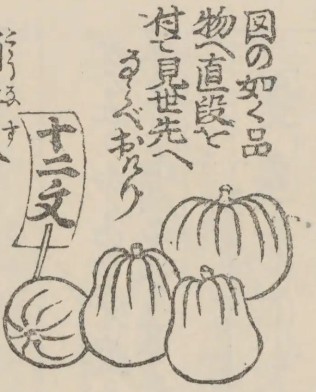
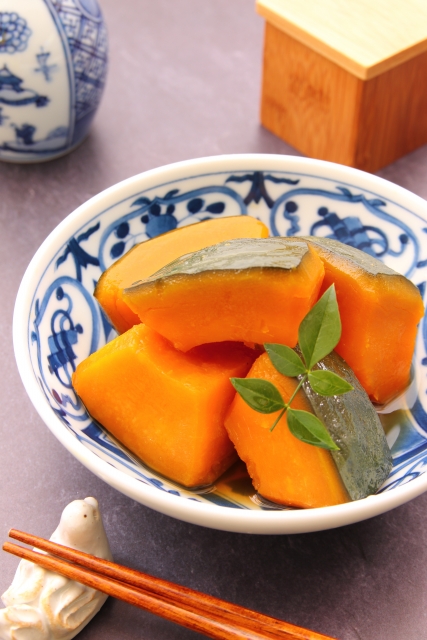
When people think of pumpkins today, many probably picture Halloween. However, in Japan, pumpkin has also been a traditional food eaten around the winter solstice.
This raises an interesting question. Pumpkins are harvested in summer, so why do people eat them in winter?
Eating Pumpkins Harvested in Summer
Pumpkins are usually harvested from summer to autumn. However, they can be stored for a long time if kept under suitable conditions. In the past, fewer vegetables were available in winter than in summer. Pumpkins that could be stored for months were probably valuable food during the colder season.
Pumpkins also contain nutrients such as beta-carotene. The body converts beta-carotene into vitamin A, which helps maintain healthy skin and mucous membranes. Eating nutritious pumpkins during winter, when fresh vegetables were less available, may have been a sensible choice.
There is also a traditional saying in Japan that eating pumpkin on the winter solstice will help prevent colds. This custom may reflect people’s wish to stay healthy during the coldest part of the year.
The Yellow of Pumpkins and Yuzu: A Reminder of the Sun
In Japan, people have another winter solstice custom: taking a bath with yuzu citrus fruits.
Both pumpkins and yuzu have a bright yellow color. The winter solstice is the shortest day of the year. On this day, eating yellow foods that remind us of sunlight and soaking in a bath filled with yellow yuzu seem like an interesting combination.
Of course, I do not know whether people in the past chose pumpkins and yuzu because they were thinking of the sun. Still, as the days grow shorter and the weather gets colder, their bright yellow color makes me think of the warmth of sunlight.
There is another winter solstice custom involving foods whose Japanese names contain the sound “n.” People believe that eating these foods will bring good luck. Pumpkin is also called nankin in Japanese, and its name contains the sound “n” twice. It is also included in a group of seven foods known as the “Seven Winter Solstice Foods.”
The wisdom of storing food to get through winter, along with people’s wishes for good health and good fortune, may be part of the meaning behind eating pumpkin on the winter solstice.
Winter is the season when the days are shortest. People in the past put their wishes into food, while I decorate my home with lights to make the dark season more cheerful. Although we live in different times, perhaps we share the same wish: to make winter a little brighter and stay healthy through the cold days.
References
- Suzuki, Tōzō. Nihon Nenchū Gyōji Jiten [Dictionary of Japanese Annual Events]. Kadokawa Shoten, 1977.
- Misumi, Haruo, ed. Zenkoku Nenchū Gyōji Jiten [Dictionary of Annual Events Across Japan]. Tōdō Shuppan, 2007.
- Abe, Izumi. Shiryō ga Kataru Nenchū Gyōji no Kigen: Denshōron・Iitsutae Setsu no Kyokō o Tsuku [The Origins of Annual Events as Told by Historical Sources: Challenging Myths About Oral Traditions and Legends]. Shimizu Shoin, 2021.
- Agriculture & Livestock Industries Corporation. “Tōji to Kabocha” [The Winter Solstice and Pumpkin].
- Ministry of Agriculture, Forestry and Fisheries. “Tōji no Nanakusa-jiru” [Seven-Ingredient Soup for the Winter Solstice].