Hakama with boots, and a large ribbon in her hair. For many people, the image of Taisho Romance brings to mind Benio Hanamura, the heroine of Haikara-san: Here Comes Miss Modern.
When I was a child, I loved Benio, played by Yoko Minamino, in the TV drama. Her hakama paired with boots looked so cute, and the image has stayed with me ever since.
Combining a kimono and hakama with Western-style boots and ribbons, this distinctive look represented a new era in Japan from the Meiji period to the Taisho period.
However, female students did not always wear hakama in this style.
Why did women begin wearing hakama in the first place? And how did this outfit become a symbol of female students?
Were Kimonos Impractical for Female Students?
During the Meiji period, girls’ education gradually expanded, and more women began attending school.
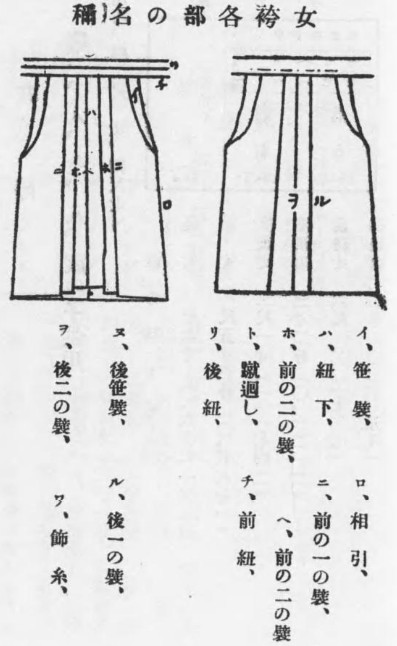
However, traditional kimonos could be inconvenient for activities such as sitting on chairs in classrooms and moving around freely. Hakama, a type of traditional Japanese garment worn over a kimono, offered a more practical option.
In fact, women wearing hakama was not a new custom that began in the Meiji period. Women at the imperial court had worn hakama since the Heian period (794–1185). However, their clothing was different from the everyday clothes worn by ordinary women.
In the early Meiji period, some female teachers and women working in factories also wore hakama. It was a practical choice not only for female students but also for women working and taking on new roles outside the home.
What did female students study in those days? You can learn more about their lessons and school life in this article.
Women Wearing Hakama? How Scandalous!
Not everyone welcomed women wearing hakama.
At the time, hakama were strongly associated with men, and some people objected to women wearing a garment similar to men’s clothing.
In 1874, a letter published in the newspaper Yubin Hochi Shimbun criticized women wearing hakama, going so far as to call the fashion a “disgrace to the nation.” Some people viewed women wearing hakama confidently in public as a strange and improper custom.
In the 1880s, opinions also emerged calling for female teachers and students to wear modest clothing considered appropriate for education.
Even when clothing helped women study and take part in activities outside the home, society did not immediately accept it. The debate over hakama reveals contemporary ideas about how women were expected to behave.
Who Created Hakama for Female Students?
One name often mentioned in discussions of female students’ hakama is Utako Shimoda, an educator.
Shimoda was involved in the administration and education of Kazoku Jogakko, a school for girls from aristocratic families that opened in 1885. At this school, an outfit combining hakama and shoes was adopted, and the dark reddish-brown hakama known as ebicha became well known.
Ebicha is a deep, dark reddish-brown color. The hakama worn at Kazoku Jogakko later became widely recognized as a typical style for female students.
However, we should be cautious about claiming that Shimoda was the first person to invent women’s hakama.
Atomi Jogakko, which opened in 1875, is also known for having introduced purple hakama at an early stage. It is therefore difficult to identify a single school as the first to adopt the style or to pinpoint exactly how the modern form of women’s hakama developed.
Rather than being the invention of one individual, women’s hakama took shape as educational and professional opportunities for women expanded. The garment combined practicality with an attractive appearance.
Talented Young Women—or Too Bold for Their Own Good?
By the 1890s, hakama had become a recognizable symbol of female students.
Female students wearing ebicha hakama were sometimes called Ebicha Shikibu. The name Shikibu evoked Murasaki Shikibu, the author of The Tale of Genji, and her image as a highly educated woman.
Female students attracted attention as representatives of a new generation of educated women. At the same time, some people regarded them as strong-willed or even cheeky because they seemed to challenge traditional ideas about women’s roles.
The same outfit could be viewed very differently depending on who was looking at it. Some saw female students as symbols of education and modernity, while others considered them too outspoken or independent. These conflicting opinions reflected different expectations of women in society.
As Western-style school uniforms spread from the Taisho period into the early Showa period, hakama gradually disappeared from everyday school life. Today, they remain a popular choice for graduation ceremonies.
When we picture Benio from Haikara-san: Here Comes Miss Modern, hakama bring to mind a stylish and energetic young woman. Behind this familiar image lies a history of female students embracing new styles of clothing and expanding their opportunities, sometimes in the face of public criticism.
Their story shows how something as simple as an outfit can reflect wider changes in society.
References
- International Library of Children’s Literature, National Diet Library. Joshi Gakusei Raifu (Life of Female Students), permanent exhibition guide, 2007.
- Osakabe, Yoshinori. “Dress Debates at Higher Girls’ Schools in the Meiji Period: Female Students Wearing Hakama.” Okurayama Ronshu, vol. 64, 2018, pp. 73–140.
- Jissen Women’s University: Utako Shimoda’s Educational Activities
- History of Women’s Hakama (Kariginu no Sekai)
- National Museum of Ethnology: Modern Japanese Clothing Culture, ‘Women’s Hakama’