Enjoying Japan’s Autumn “Chrysanthemum Festival”
September 9 is known as Choyo Festival (Choyo no Sekku), one of Japan’s traditional seasonal celebrations.
Also called the “Chrysanthemum Festival,” this day was traditionally associated with wishes for longevity and good health. However, unlike festivals such as Tanabata or Hinamatsuri, Choyo Festival is not widely known today, and few families celebrate it in their homes.
During the Meiji era, Choyo Festival was a seasonal event that helped people appreciate the arrival of autumn. People decorated their homes with chrysanthemums, enjoyed the changing seasons, and wished for the health and longevity of their families.
This article explores how people celebrated Choyo Festival during the Meiji era, why it gradually became less familiar in modern Japan, and how the culture of appreciating chrysanthemums continues today.
What Is Choyo Festival?
Choyo Festival is one of the five traditional seasonal festivals of Japan, held on September 9.
In ancient times, odd numbers were considered “yang” numbers, associated with positive energy. Since 9 was the largest odd number, the repetition of two 9s was regarded as an especially auspicious day.
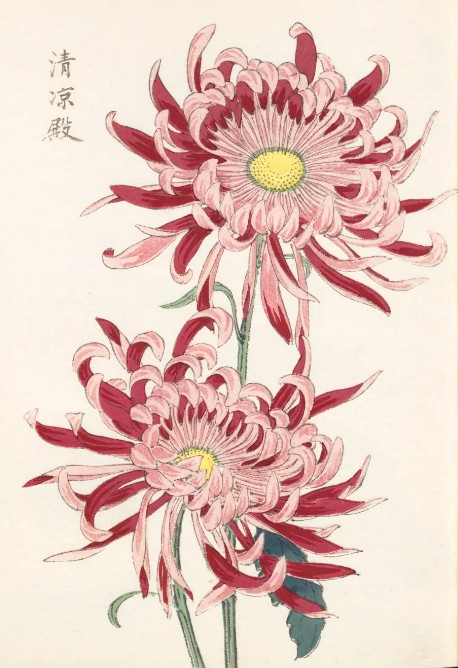
This period was also the season when chrysanthemums bloomed beautifully. Because chrysanthemums were believed to ward off evil spirits and bring longevity, the festival became known as the “Chrysanthemum Festival.”
People welcomed autumn while praying for health and a long life.
How Did People Celebrate Choyo Festival in the Meiji Era?
Decorating Homes with Chrysanthemums and Enjoying Autumn
During the Meiji era, decorating homes with seasonal flowers was one of the simple pleasures of daily life.
On Choyo Festival, people displayed beautiful chrysanthemums in places such as the alcove or entrance of their homes, enjoying the feeling of autumn’s arrival.
Chrysanthemums were valued not only for their beauty but also as symbols of longevity and good health. Even a single flower carried people’s hopes and wishes.
Enjoying Chrysanthemum Sake and Autumn Foods
On Choyo Festival, people sometimes enjoyed sake with chrysanthemum petals floating in it, as well as dishes made with chrysanthemums.
Autumn was also the season of harvest. Although customs varied by region, sharing seasonal foods with family was another way to appreciate this special time of year.
Rather than being a grand celebration, it was perhaps a quiet moment in everyday life when people honored the changing seasons.
Enjoying Chrysanthemum Exhibitions
During the Meiji era, chrysanthemum exhibitions began to be held in various regions, and many people went to admire carefully cultivated flowers.
Exhibition venues filled with chrysanthemums of different colors and shapes became popular autumn destinations for families and friends.
Appreciating chrysanthemums became an important part of enjoying the beauty of autumn.
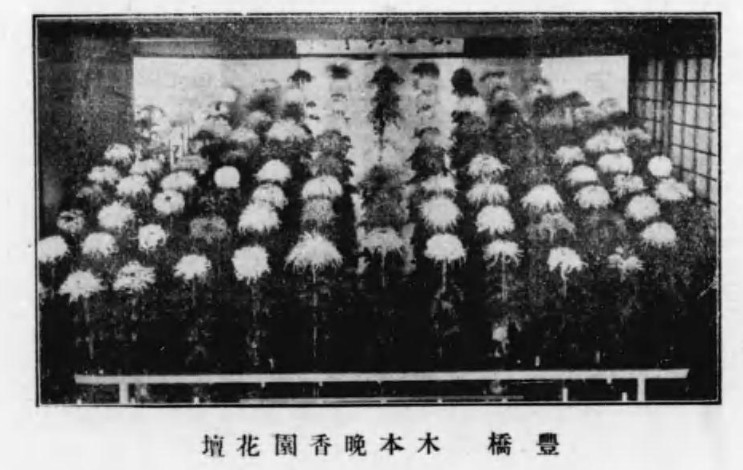
Osaka Kōshinsha Eigyōsho. Zenkoku Chomei Engeika Sōran [Directory of Notable Horticulturists Throughout Japan]. Osaka: Osaka Kōshinsha Eigyōsho, 1927. Source:National Diet Library Digital Collections.
Why Did Choyo Festival Become Less Familiar?
The decline of Choyo Festival in modern times is closely connected to changes in Japanese society.
During the Meiji era, Japan changed from the traditional lunar calendar to the modern solar calendar. The ninth day of the ninth month in the old calendar corresponded roughly to October today, when chrysanthemums were in full bloom.
However, after the adoption of the new calendar, September 9 came slightly earlier than the peak chrysanthemum season in many areas. This created a gap between the festival date and the natural rhythm of the flowers.
Another reason may be that, unlike Hinamatsuri and Tango no Sekku, which became closely connected with children’s growth and family celebrations, Choyo Festival had fewer opportunities to be passed down as a household tradition.
Nevertheless, the culture of appreciating chrysanthemums did not disappear.
After the Meiji era, chrysanthemum exhibitions, chrysanthemum figures, and chrysanthemum art displays continued to be held in autumn, allowing people to enjoy the beauty of chrysanthemums in new ways.
Enjoying Choyo Festival Today
Although Choyo Festival is not commonly celebrated at home today, there are still many ways to experience its charm.
For example, simply placing a single chrysanthemum flower in your home can be a wonderful way to enjoy the feeling of the season.
For visitors who would like to experience Japanese chrysanthemum culture, October and November are often better times than September 9. During this period, chrysanthemum exhibitions are held throughout Japan, featuring flowers in many different colors and forms.
Thinking about how people in the Meiji era also admired autumn chrysanthemums can make the experience even more meaningful.
Enjoying Japanese sweets shaped like chrysanthemums is another seasonal pleasure.
Conclusion
Choyo Festival is a beautiful Japanese seasonal tradition that celebrates the arrival of autumn while expressing wishes for health and longevity.
During the Meiji era, people decorated their homes with chrysanthemums, visited chrysanthemum exhibitions, and enjoyed the harvest season as they celebrated this special day.
Although the festival is less familiar today, the Japanese appreciation of chrysanthemums continues.
This autumn, why not decorate your home with a chrysanthemum, visit a chrysanthemum exhibition, and reflect on the beauty of Japan’s seasonal traditions?
References
Osaka Kōshinsha Eigyōsho. Zenkoku Chomei Engeika Sōran [Directory of Notable Horticulturists Throughout Japan]. Osaka: Osaka Kōshinsha Eigyōsho, 1927. Source:National Diet Library Digital Collections.
Hasegawa, Keika. Keika Hyakugiku (One Hundred Chrysanthemum Designs). Kyoto: Unsōdō, 1893.Source:National Diet Library Digital Collections.