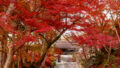
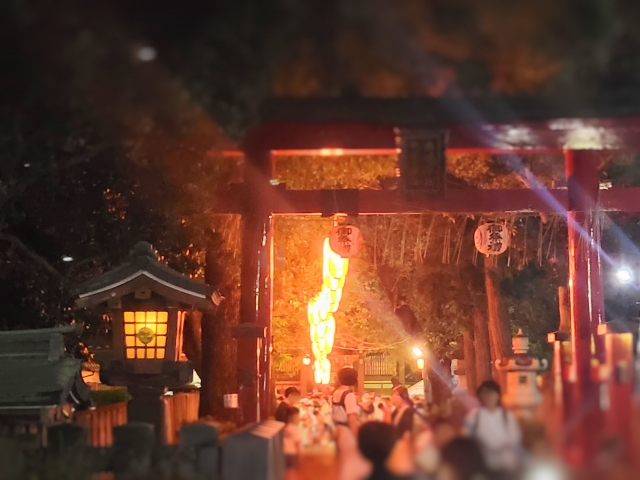
When autumn arrives, festivals begin at shrines in my neighborhood.
In the area where I live, several shrine festivals are not all held on the same day. Instead, they take place on different dates. One week, there is a festival at one shrine; the next week, another shrine holds its festival.
When I was a child, I simply thought, “There are so many festivals in autumn.”
But autumn festivals have a meaning that is closely connected to the season.
Autumn Is the Season of Harvest
When I was a child, I once received a single ear of rice at an autumn festival.
The grains were plump and heavy. When I looked inside one of them, there was a grain of rice.
“So this is where our rice comes from.”
That is what I thought.
I already knew the white rice served in a bowl, of course. But holding an actual rice ear in my hands made me realize, for the first time, that rice came from the plants growing in the fields.
Autumn is the season when rice ripens and the harvest begins.
In Japan, rice cultivation has long been deeply connected to people’s everyday lives. A harvest meant more than simply having food to eat. It was an important event that supported the lives of people throughout the year.
Some autumn shrine festivals are connected with giving thanks for this harvest.
A Little Different from Summer Festivals
Japanese festivals have many different meanings depending on the season.
For example, some summer festivals are connected with prayers to ward off epidemics and other misfortunes that were feared during the hot season.
Autumn, on the other hand, brings festivals associated with gratitude for making it safely through the season and for the crops reaching harvest.
Of course, not every summer or autumn festival has exactly the same meaning.
Still, if we think of them as:
Summer: “May we make it safely through the summer.”
Autumn: “The crops have safely ripened.”
we can begin to see how closely Japanese festivals were connected to the rhythms of everyday life.
New Rice for Children, Relief for Farmers
The harvest season may also have looked different depending on one’s place in society.
For children, it was a season to look forward to:
“Another year of delicious new rice!”
For people whose livelihood depended on farming, however, a successful harvest must also have brought a sense of relief.
They had spent an entire year growing their crops, while depending on weather conditions beyond their control. Seeing those crops finally ripen was an important moment.
In rural Japan, rice was not only food. During the Edo period, rice and other agricultural products were also collected as taxes.
For that reason, the rice harvest was closely connected to the livelihood of farming families.
Behind the gratitude expressed at autumn festivals, there may therefore have been very practical feelings of joy and relief rooted in everyday life.
Autumn Festivals Are Community Events, Too
Autumn festivals do not take place only inside the shrine.
Local people help support the festivals, children look forward to them, and portable shrines and festival stalls appear in the streets.
Each shrine has its own festival day, and in some areas, neighboring shrines arrange their festival dates so they do not overlap.
As a result, autumn can bring a feeling that there is always a festival happening somewhere in the neighborhood.
For children, it is simply “festival day.”
For adults, it may be a chance to see and talk with people from the community.
And behind all of this is the gratitude for reaching the season of harvest.
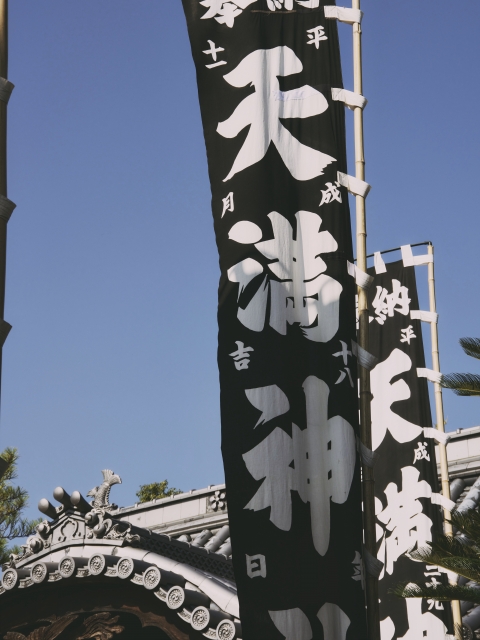
What Autumn Festivals Tell Us About Everyday Life
Today, we can buy rice throughout the year.
For people in the past, however, the autumn harvest was a major turning point that supported their lives for the coming year.
For those who made their living through farming, the success of the harvest could directly affect their livelihood.
At the same time, children may have been looking forward to eating the year’s new rice and enjoying the festival.
The same autumn festival could therefore have meant something different to each person who gathered there.
Even today, when autumn arrives, festivals are held at shrines throughout Japan.
The forms may have changed, but the sight of people gathering in their community, noticing the change of season, and celebrating the harvest still remains.
An autumn festival is not simply an event for enjoying the season.
It is a quiet reminder of an old rhythm of life: another harvest has safely arrived, and it is time to move forward into another year.
Reference
・Jinja Honcho, “Shinto”
・Jinja Honcho, “Festivals to Ward Off Epidemics”
・National Museum of Japanese History (ed.), Japanese Gods and Festivals: What Are Shrines? National Museum of Japanese History, March 2006, 247 pp.
・Ōishi, Manabu (ed.). Encyclopedia of the Edo Shogunate. Yoshikawa Kōbunkan, December 2009, pp. 961–962, “Nengū (Annual Tax).”