When autumn arrives in Japan, the sound of insects can be heard from the grasses and fields.
For centuries, people in Japan have enjoyed these sounds not simply as sounds of nature, but as part of the beauty of autumn. Listening carefully to singing insects was known as mushikiki, or “listening to insects.”
Listening to Insects on Autumn Evenings
Singing insects such as suzumushi and matsumushi were especially appreciated.
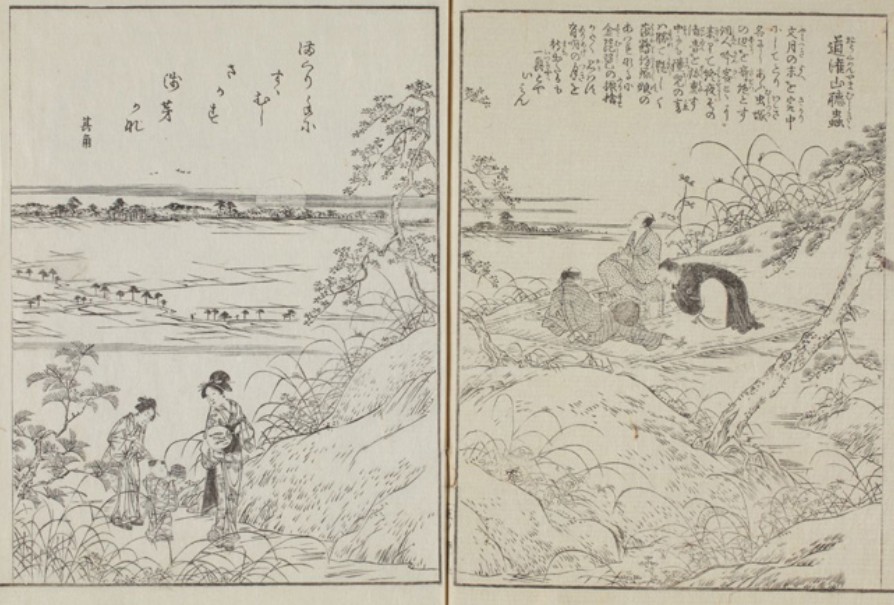
Mushikiki was one of the pleasures of an autumn evening. During the Edo period, people even went to famous places known for their insect songs to enjoy them.
They could also keep singing insects at home and listen to them in small cages.
In other words, the sound of insects itself was something to enjoy as part of the season.
Singing Insects Were Sold in the Edo Period
During the Edo period (1603–1868), there were vendors who sold singing insects.
People bought insects and took them home, where they could enjoy their songs in cages.
They also went out to listen to insects at famous spots, sometimes spreading mats and drinking sake while enjoying the sounds of autumn.
Singing insects were a familiar way to experience the changing season.
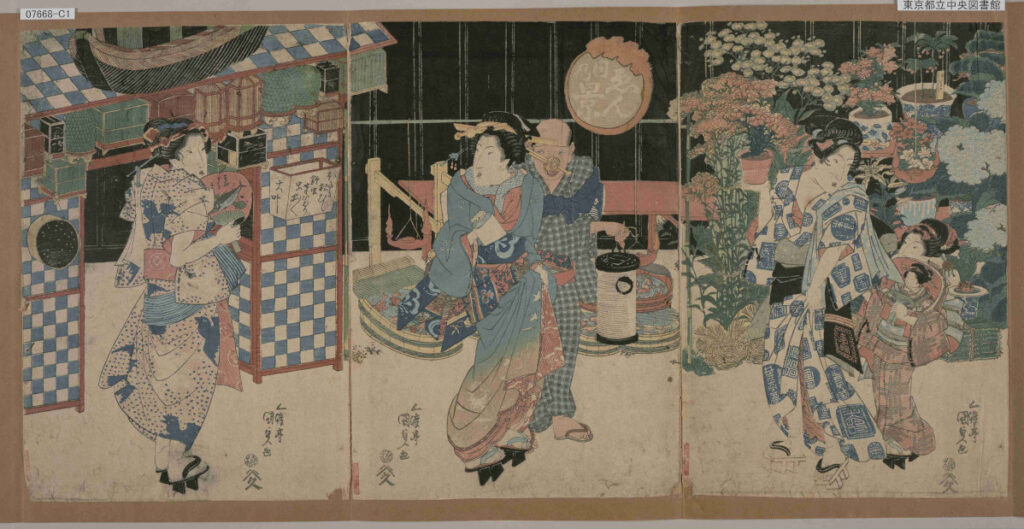
Ennichi no Kei (Toshidama Frame) Utagawa Kunisada, Yamamotoya Heikichi, publisher
Source: Tokyo Metropolitan Library
The Sounds of Autumn Today
People rarely buy insects to keep at home today, but the pleasure of listening to insects on autumn evenings remains.
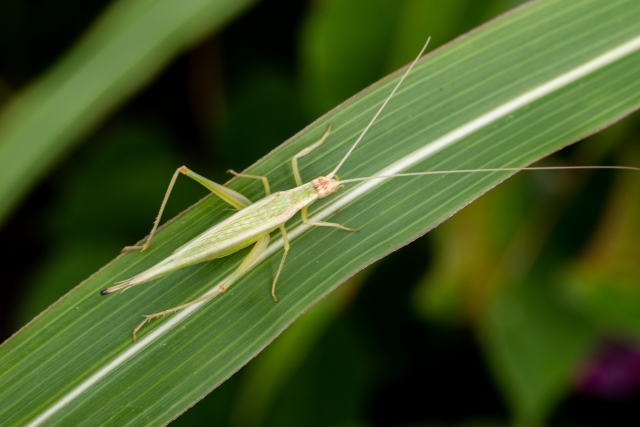
There is a habitat for kantan, a small singing insect, near my home. The area is protected so that the insects can continue to live there.
Instead of bringing insects into our homes, we can preserve the places where they live and listen to their songs there.
Perhaps this is one modern form of mushikiki.
The song of a tiny insect still tells us that autumn has arrived.
Referance
Kano Kōji, Naku Mushi Bunka-shi: Mushikiki Meisho to Mushiuri, HSK, 2011.